

NOISE DIAGNOSIS
Why Is My Garage Door So Loud? Noise Causes and Fixes
A garage door that suddenly gets louder is usually trying to tell you something specific — different noises point to different problems.
A garage door that suddenly gets louder is usually trying to tell you something specific. Different noises point to different problems, and knowing which sound you are hearing can help you figure out whether it is a simple fix or something that needs a technician before it gets worse.
Squeaking or Chirping
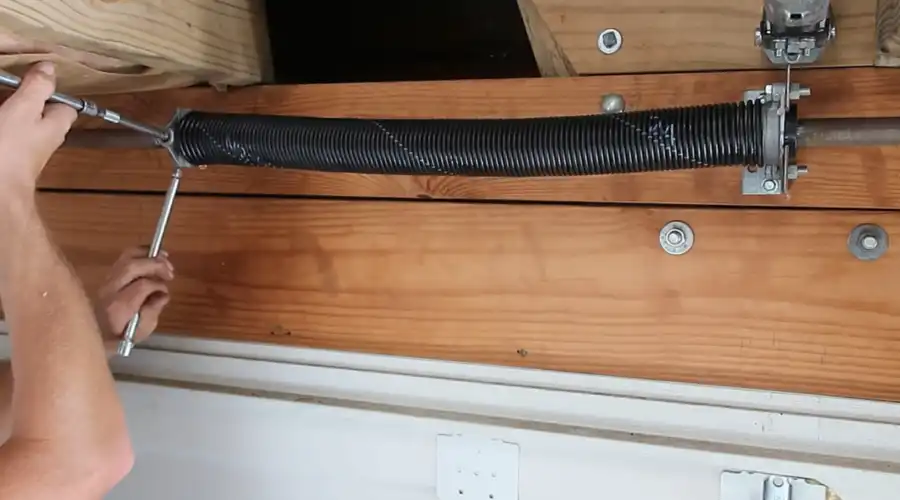
A rhythmic squeak or chirp that happens as the door moves is almost always a lubrication issue at the rollers, hinges, or springs. This is the most common garage door noise complaint and often the easiest to fix, since it usually just means moving parts have dried out and need fresh lubricant made for garage doors (not general-purpose household oil, which attracts dust and grime).
Grinding or Scraping
A grinding or scraping sound, especially one that seems to come from a specific spot as the door passes it, often points to worn rollers, especially old metal rollers with worn-out bearings, or a roller that has come slightly out of its track. This noise tends to get worse over time rather than go away, since a damaged roller continues to wear unevenly once it starts.
Banging or Popping
A loud bang or pop, usually a single sharp sound rather than a repeated noise, is one of the more concerning sounds a garage door can make. This is often the sound of a spring breaking or a cable snapping under tension. If your door will not open after hearing a bang like this, do not force it open manually, since a broken spring changes how much weight the door’s other hardware is bearing.
Rattling
A rattling sound throughout the door’s movement, rather than at one specific point, often means hardware has loosened over time: track brackets, hinge bolts, or the opener’s mounting hardware can all work loose from the repeated vibration of normal use. This is usually a quick tightening fix if caught early, but ignored rattling can lead to a bracket pulling further loose or a track shifting out of alignment.
Humming or Buzzing From the Opener
A hum or buzz coming from the opener unit itself, rather than the door or track, points to the motor or the opener’s safety sensors rather than the door’s mechanical parts. This can range from a simple sensor alignment issue to a motor nearing the end of its service life, depending on whether the door actually moves when you hear the sound.
When Noise Means “Call Someone” vs “Try This First”
A simple squeak is reasonable to try lubricating yourself with a garage-door-specific lubricant on the rollers, hinges, and springs. Grinding, banging, or any noise paired with the door moving unevenly, jerking, or not responding to its opener are signs to stop using the door and get it looked at, since continuing to operate a door with worn or failed hardware can cause further damage or create a safety risk.
Frequently Asked Questions
What is the best lubricant for a squeaky garage door?
A silicone-based or lithium-based garage door lubricant works best, applied to the rollers, hinges, and springs. General-purpose household oils like WD-40 are not ideal for long-term lubrication since they tend to attract dust and dirt, which can make the noise come back faster.
My garage door makes a loud bang but still opens. Is that okay?
A sudden bang, even if the door still technically operates afterward, is worth having checked rather than ignored. It is often a sign a spring or cable has partially failed or shifted, which can get worse or fail completely with continued use.
Why does my garage door only make noise at one spot in its travel?
A noise that happens at the same point every time usually points to a specific damaged roller, a bent section of track, or a hinge at that exact location, rather than a general lubrication issue, which would typically cause noise throughout the whole movement.
Can a noisy garage door opener mean the opener needs replacing?
Not necessarily. Humming, buzzing, or grinding from the opener itself can sometimes be a sensor, gear, or belt issue that is repairable rather than a sign the whole unit needs replacement. It is worth having it diagnosed before assuming a full replacement is needed.
Get Your Noise Diagnosed
If lubrication does not solve it, or the noise is a grinding, banging, or rattling sound, call (559) 315-3236 and describe what you are hearing and when it happens. That detail helps us figure out what is likely wrong before we even arrive.